
 Arizona Cardinals Flag
 Atlanta Falcons Flag
 Baltimore Ravens Flag
 Buffalo Bills Flag
 Carolina Panthers Flag
 Chicago Bears Flag
 Cincinnati Bengals Flag
 Cleveland Browns Flag
 Dallas Cowboys Flag
 Denver Broncos Flag
 Detroit Lions Flag
 Green Bay Packers Flag
 Houston Texans Flag
 Indianapolis Colts Flag
 Jacksonville Jaguars Flag
 Kansas City Chiefs Flag
 Las Vegas Raiders Flag
 Los Angeles Chargers Flag
 Los Angeles Rams Flag
 Miami Dolphins Flag
 Minnesota Vikings Flag
 New England Patriots Flag
 New Orleans Saints Flag
 New York Giants Flag
 New York Jets Flag
 Philadelphia Eagles Flag
 Pittsburgh Steelers Flag
 San Francisco 49ers Flag
 Seattle Seahawks Flag
 Tampa Bay Buccaneers Flag
 Tennessee Titans Flag
 Washington Commanders Flag
 Arizona Diamondbacks Flag
 Atlanta Braves Flag
 Baltimore Orioles Flag
 Boston Red Sox Flag
 Chicago Cubs Flag
 Chicago White Sox Flag
 Cincinnati Reds Flag
 Cleveland Guardians Flag
 Colorado Rockies Flag
 Detroit Tigers Flag
 Houston Astros Flag
 Kansas City Royals Flag
 Los Angeles Angels Flag
 Los Angeles Dodgers Flag
 Miami Marlins Flag
 Milwaukee Brewers Flag
 Minnesota Twins Flag
 New York Mets Flag
 New York Yankees Flag
 Oakland Athletics Flag
 Philadelphia Phillies Flag
 Pittsburgh Pirates Flag
 San Diego Padres Flag
 San Francisco Giants Flag
 Seattle Mariners Flag
 St. Louis Cardinals Flag
 Tampa Bay Rays Flag
 Texas Rangers Flag
 Toronto Blue Jays Flag
 Washington Nationals Flag
 Atlanta Hawks Flag
 Boston Celtics Flag
 Brooklyn Nets Flag
 Charlotte Hornets Flag
 Chicago Bulls Flag
 Cleveland Cavaliers Flag
 Dallas Mavericks Flag
 Denver Nuggets Flag
 Detroit Pistons Flag
 Golden State Warriors Flag
 Houston Rockets Flag
 Indiana Pacers Flag
 LA Clippers Flag
 Los Angeles Lakers Flag
 Memphis Grizzlies Flag
 Miami Heat Flag
 Milwaukee Bucks Flag
 Minnesota Timberwolves Flag
 New Orleans Pelicans Flag
 New York Knicks Flag
 Oklahoma City Thunder Flag
 Orlando Magic Flag
 Philadelphia 76ers Flag
 Phoenix Suns Flag
 Portland Trail Blazers Flag
 Sacramento Kings Flag
 San Antonio Spurs Flag
 Toronto Raptors Flag
 Utah Jazz Flag
 Washington Wizards Flag
 Anaheim Ducks Flag
 Arizona Coyotes Flag
 Boston Bruins Flag
 Buffalo Sabres Flag
 Calgary Flames Flag
 Carolina Hurricanes Flag
 Chicago Blackhawks Flag
 Colorado Avalanche Flag
 Columbus Blue Jackets Flag
 Dallas Stars Flag
 Detroit Red Wings Flag
 Edmonton Oilers Flag
 Florida Panthers Flag
 Los Angeles Kings Flag
 Minnesota Wild Flag
 Montreal Canadiens Flag
 Nashville Predators Flag
 New Jersey Devils Flag
 New York Islanders Flag
 New York Rangers Flag
 Ottawa Senators Flag
 Philadelphia Flyers Flag
 Pittsburgh Penguins Flag
 San Jose Sharks Flag
 Seattle Kraken Flag
 St. Louis Blues Flag
 Tampa Bay Lightning Flag
 Toronto Maple Leafs Flag
 Vancouver Canucks Flag
 Vegas Golden Knights Flag
 Washington Capitals Flag
 Winnipeg Jets Flag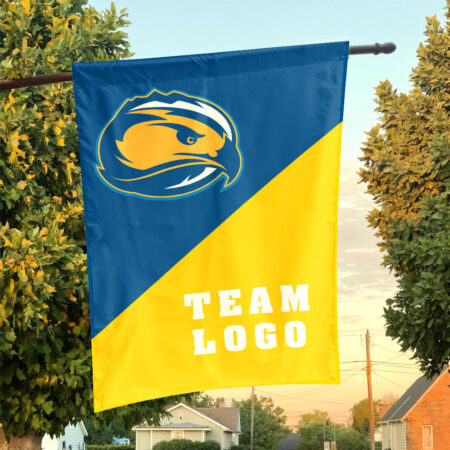
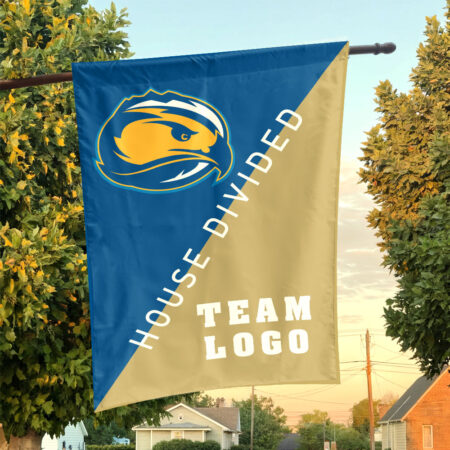
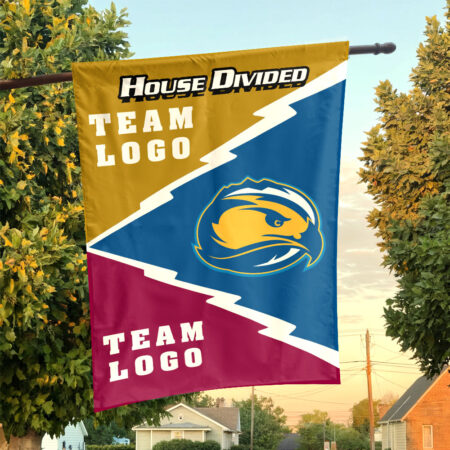
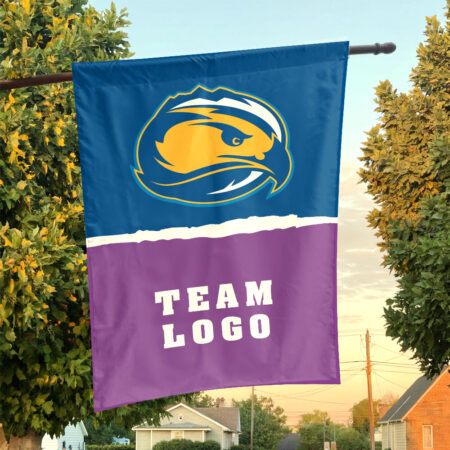
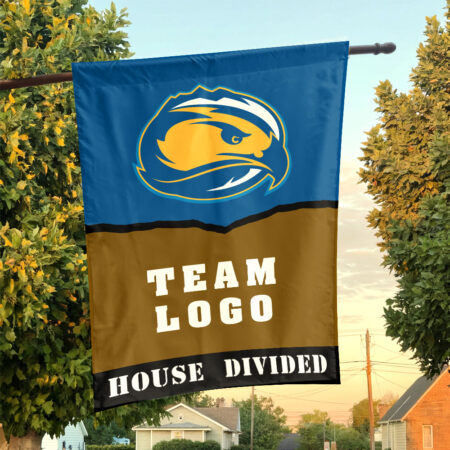
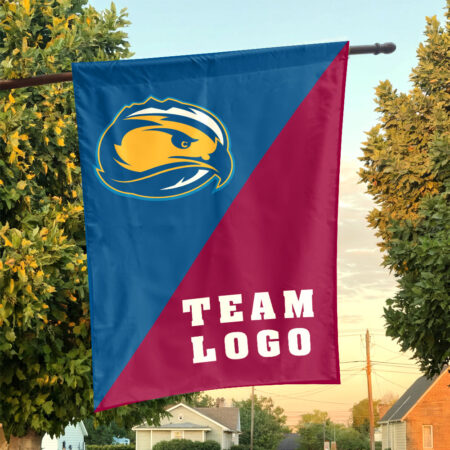
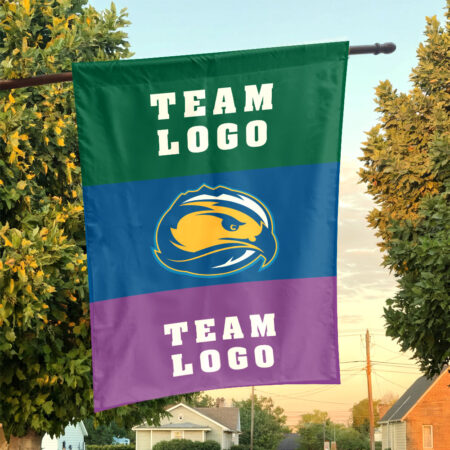
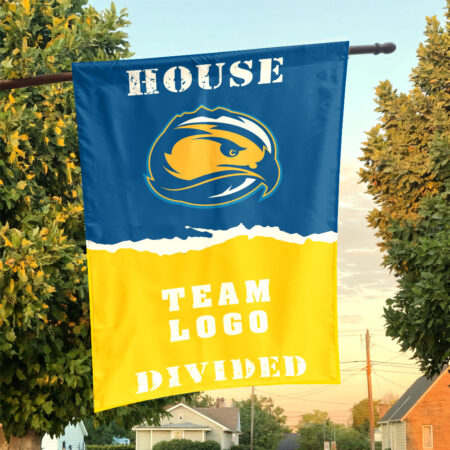
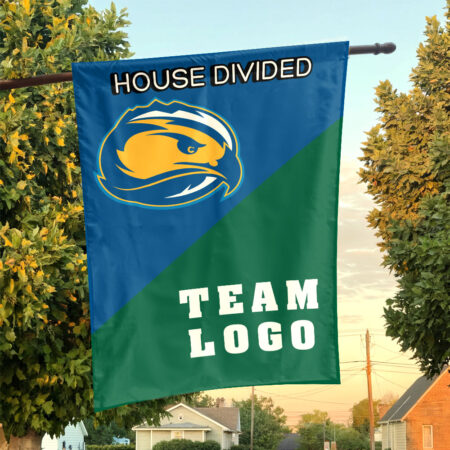
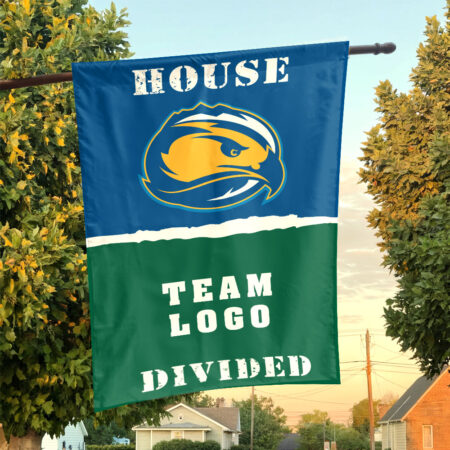
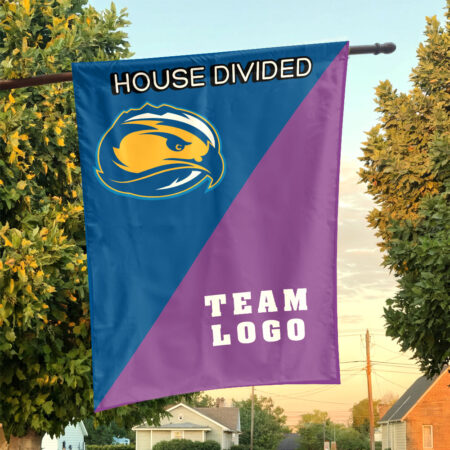
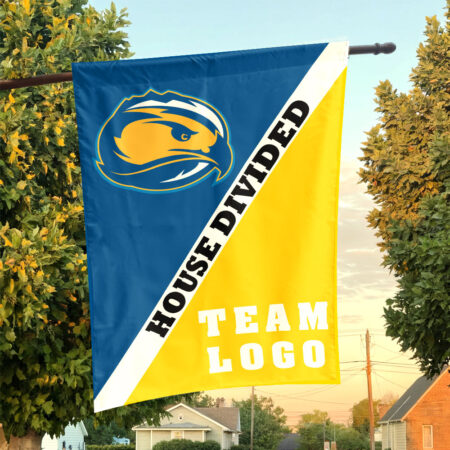
Custom Fort Lewis Skyhawks Flags for Every Space
If you’ve ever ordered custom Fort Lewis Skyhawks flags that looked perfect in the mockup but fell flat once they were outside, you’re not alone. Most misses come from a simple mismatch between the space, size, finish, and print side, and outdoors, wind, shade, and distance make that mismatch obvious fast. In this FlagOh guide, you’ll follow a simple order: start with the spot, choose the size, match the finish to your hardware, then decide on printing and approve the proof.
Best Sizes for Custom Fort Lewis Skyhawks Flags by Space
Start by standing where someone will view the flag from—sidewalk, driveway, or across the yard. For many homes, that’s roughly 20–40 feet. A quick way to estimate it is to count about 7–13 adult steps from the pole to your main viewing spot. At that distance, thin outlines and small text don’t look “detailed.” They just disappear. So if you want street readability, treat the design like a sign: one clear focal point, strong contrast, and enough breathing room that motion doesn’t ruin the message. If you can’t recognize the main mark in two seconds from where you’re standing, it won’t read any better once the wind starts moving it.
To make sizing easy for custom Fort Lewis Skyhawks flags, use this size-by-space table. It’s meant to stop overthinking and prevent the most common mismatch: buying a flag that either overwhelms the spot or looks lost.
- Garden/walkway: 12×18 in — Sleeves — Close-up curb appeal — Common mix-up: Over-detailed designs that blur up close
- Porch pole (standard): 28×40 in — Sleeves — Classic front-porch look — Common mix-up: Buying sleeves but planning to use clip hardware
- Porch bracket + clips: 28×40 in — Grommets — Angled mounts, clip setups — Common mix-up: Hardware rubbing in wind (add soft ties/check spacing)
- Indoor wall (dorm/garage/covered): 36×60 in — Sleeves — Flatter wall hang with a rod/pole — Common mix-up: Hanging without a rod → sagging/uneven top edge
- Wall hooks / outdoor wall mount: 36×60 in — Grommets — Multiple tie points for tight, secure mounting — Common mix-up: Letting it slap the wall in gusts → faster wear
If you only do one thing, choose your row in the list first. Once the size is right, everything else gets simpler. That’s also how we approach setups at FlagOh: start with the spot, then match the size, and finish so it hangs clean and reads at a glance.
Match the Finish to Your Hardware
With custom Fort Lewis Skyhawks flags, most “this doesn’t hang right” frustration comes from choosing the wrong finish. Sleeves (pole pockets) are usually best for standard porch poles and garden stakes. They slide on cleanly, show less hardware, and tend to sit flatter. If you want the classic porch look, sleeves are the easy win—just don’t buy sleeves if you’re planning to hang with clips.
Grommets are the flexible option, especially for porch brackets, wall hooks, and portable setups where you want quick tie points. They give you multiple tie points and make it easier to tension the flag in non-standard setups. If your area gets steady wind, treat the mounting edge as the stress zone. Look for a reinforced header strip, tidy edge stitching, and grommets set through the header rather than punched through a single thin layer.
Wind also creates two common problems: wrapping and rubbing. If your flag wraps around the pole constantly, check pole length and flag size first because daily wrapping is often an oversize issue, not just a hardware problem. If you see wear near clips or grommets, that’s friction—adjust clip spacing and avoid sharp metal edges.
For balconies where you can’t drill, rail clips or strap mounts can work, but placement matters. Keep the flag away from corners and foot traffic, and avoid positioning where it slaps the wall in gusts. If you’re comparing styles beyond one school, the same size and hardware rules apply to any custom NCAA flag.
What Matters Most for Outdoor Printing and Durability
When you pick a flag for real outdoor use, focus on two things: how it’s viewed (one side or both) and how it holds up (sun, wind, moisture). That keeps the choice practical instead of “premium vs basic.”
Single vs Double-Sided
If your flag is mainly seen from one direction—street-facing only or porch-facing only—single-sided is usually enough. The back may look mirrored, and that’s normal. If you need readable text from both sides, double-sided is cleaner than trying to compensate for a mirrored back.
If people will see it from both directions—walkway traffic, porch plus street, or busier setups—double-sided is worth it because the design reads correctly from either side. It’s not about luxury; it’s about two-way readability.
Materials, Build, and Care
Most outdoor fan flags are polyester. If you see denier listed around 100D–200D, use it as a rough way to compare lighter versus more substantial builds, not as a guarantee of lifespan. Still, build quality matters more than the number.
Look for the durability basics: a reinforced mounting edge, clean stitching, and properly set grommets (if you choose grommets). Outdoors, the biggest enemies are UV sun, constant flapping, and storing the flag damp. Let it dry fully after rain, wash cold on a gentle cycle only when needed, line dry, and avoid dryer heat or direct ironing to protect the print and prevent hard creases.
Personalization and Proof That Stay Readable Outdoors
Personalization is where a flag becomes truly yours, but it’s also the easiest place for a design to get crowded. The most reliable choices remain simple and bold, such as a last name paired with a jersey-style number, a class year, or a short family name. Longer phrases usually force the text smaller, and outdoors that’s exactly where readability disappears first.
Think of the proof as your final street test. Before you approve, check spelling and spacing, ensure everything is aligned, and confirm there’s enough margin so that nothing sits too close to the edges or grommets. Also, double-check orientation because the “top edge” matters depending on your finish. Then do a quick thumbnail test by zooming out until the design looks small on your screen. If you can still recognize it instantly, you’re good. If it turns into a blur, simplify before you lock it in.
For a flag that looks right in any space, keep the process straightforward: choose the size that fits the viewing distance, match the finish to your hardware, decide single or double-sided based on view direction, and keep personalization clean enough to read at a glance.
With custom Fort Lewis Skyhawks flags, the biggest difference comes from getting the size and mount right for your exact spot—once that’s dialed in, readability and longevity follow naturally. If you’re ready to build a clean setup for your porch, walkway, or wall, explore options at FlagOh that match your space and hardware.