
 Arizona Cardinals Flag
 Atlanta Falcons Flag
 Baltimore Ravens Flag
 Buffalo Bills Flag
 Carolina Panthers Flag
 Chicago Bears Flag
 Cincinnati Bengals Flag
 Cleveland Browns Flag
 Dallas Cowboys Flag
 Denver Broncos Flag
 Detroit Lions Flag
 Green Bay Packers Flag
 Houston Texans Flag
 Indianapolis Colts Flag
 Jacksonville Jaguars Flag
 Kansas City Chiefs Flag
 Las Vegas Raiders Flag
 Los Angeles Chargers Flag
 Los Angeles Rams Flag
 Miami Dolphins Flag
 Minnesota Vikings Flag
 New England Patriots Flag
 New Orleans Saints Flag
 New York Giants Flag
 New York Jets Flag
 Philadelphia Eagles Flag
 Pittsburgh Steelers Flag
 San Francisco 49ers Flag
 Seattle Seahawks Flag
 Tampa Bay Buccaneers Flag
 Tennessee Titans Flag
 Washington Commanders Flag
 Arizona Diamondbacks Flag
 Atlanta Braves Flag
 Baltimore Orioles Flag
 Boston Red Sox Flag
 Chicago Cubs Flag
 Chicago White Sox Flag
 Cincinnati Reds Flag
 Cleveland Guardians Flag
 Colorado Rockies Flag
 Detroit Tigers Flag
 Houston Astros Flag
 Kansas City Royals Flag
 Los Angeles Angels Flag
 Los Angeles Dodgers Flag
 Miami Marlins Flag
 Milwaukee Brewers Flag
 Minnesota Twins Flag
 New York Mets Flag
 New York Yankees Flag
 Oakland Athletics Flag
 Philadelphia Phillies Flag
 Pittsburgh Pirates Flag
 San Diego Padres Flag
 San Francisco Giants Flag
 Seattle Mariners Flag
 St. Louis Cardinals Flag
 Tampa Bay Rays Flag
 Texas Rangers Flag
 Toronto Blue Jays Flag
 Washington Nationals Flag
 Atlanta Hawks Flag
 Boston Celtics Flag
 Brooklyn Nets Flag
 Charlotte Hornets Flag
 Chicago Bulls Flag
 Cleveland Cavaliers Flag
 Dallas Mavericks Flag
 Denver Nuggets Flag
 Detroit Pistons Flag
 Golden State Warriors Flag
 Houston Rockets Flag
 Indiana Pacers Flag
 LA Clippers Flag
 Los Angeles Lakers Flag
 Memphis Grizzlies Flag
 Miami Heat Flag
 Milwaukee Bucks Flag
 Minnesota Timberwolves Flag
 New Orleans Pelicans Flag
 New York Knicks Flag
 Oklahoma City Thunder Flag
 Orlando Magic Flag
 Philadelphia 76ers Flag
 Phoenix Suns Flag
 Portland Trail Blazers Flag
 Sacramento Kings Flag
 San Antonio Spurs Flag
 Toronto Raptors Flag
 Utah Jazz Flag
 Washington Wizards Flag
 Anaheim Ducks Flag
 Arizona Coyotes Flag
 Boston Bruins Flag
 Buffalo Sabres Flag
 Calgary Flames Flag
 Carolina Hurricanes Flag
 Chicago Blackhawks Flag
 Colorado Avalanche Flag
 Columbus Blue Jackets Flag
 Dallas Stars Flag
 Detroit Red Wings Flag
 Edmonton Oilers Flag
 Florida Panthers Flag
 Los Angeles Kings Flag
 Minnesota Wild Flag
 Montreal Canadiens Flag
 Nashville Predators Flag
 New Jersey Devils Flag
 New York Islanders Flag
 New York Rangers Flag
 Ottawa Senators Flag
 Philadelphia Flyers Flag
 Pittsburgh Penguins Flag
 San Jose Sharks Flag
 Seattle Kraken Flag
 St. Louis Blues Flag
 Tampa Bay Lightning Flag
 Toronto Maple Leafs Flag
 Vancouver Canucks Flag
 Vegas Golden Knights Flag
 Washington Capitals Flag
 Winnipeg Jets Flag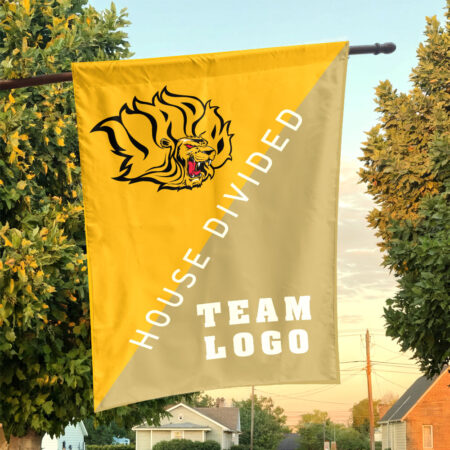
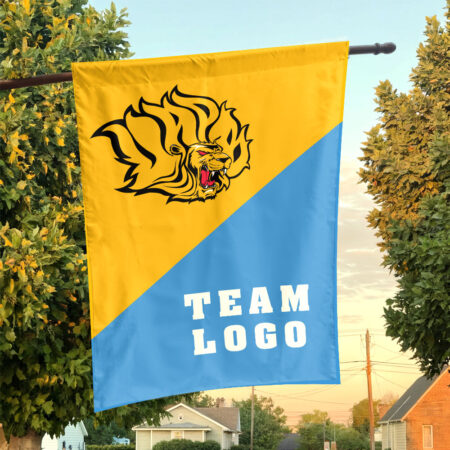
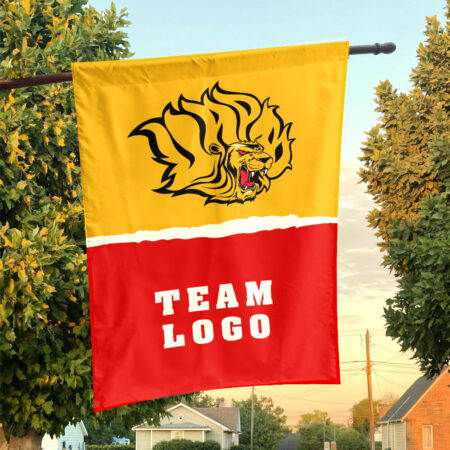
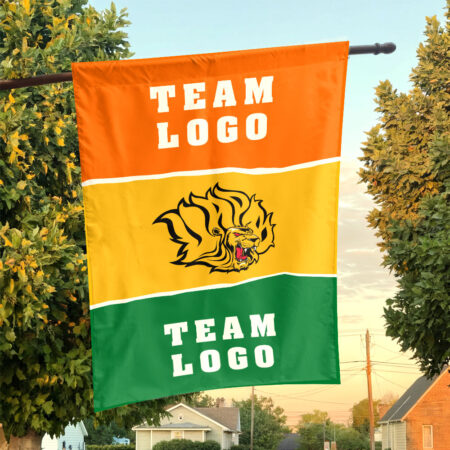
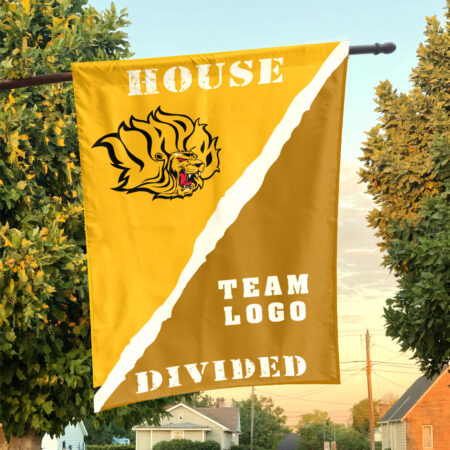
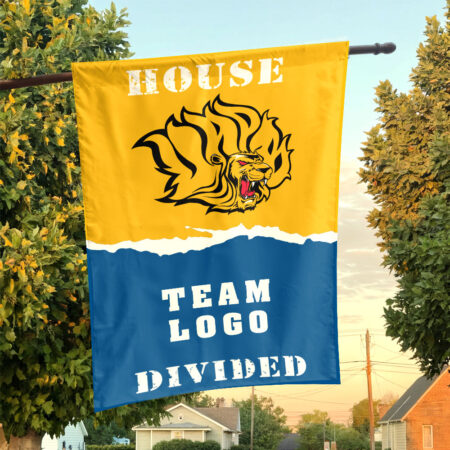
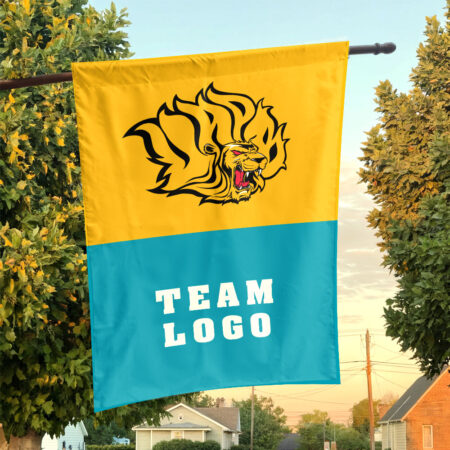
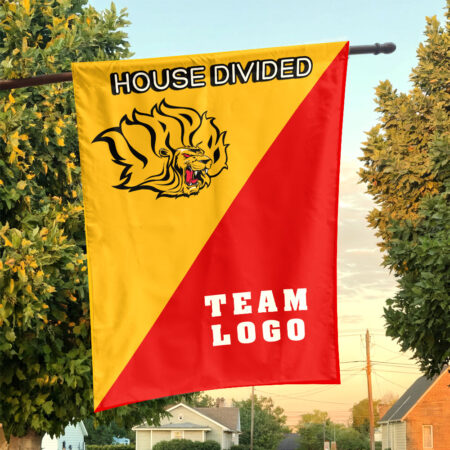
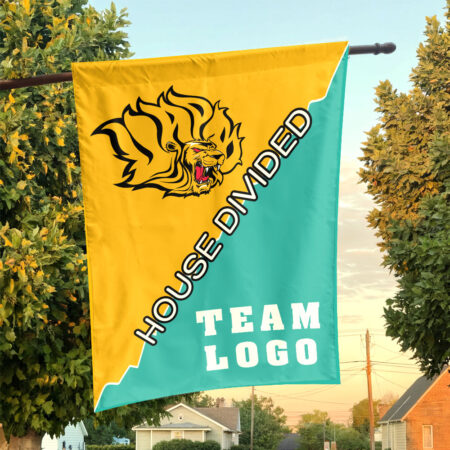
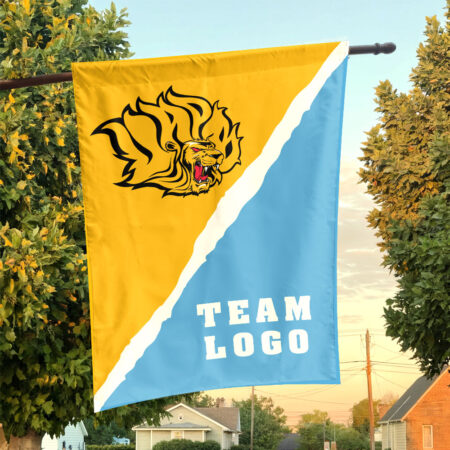
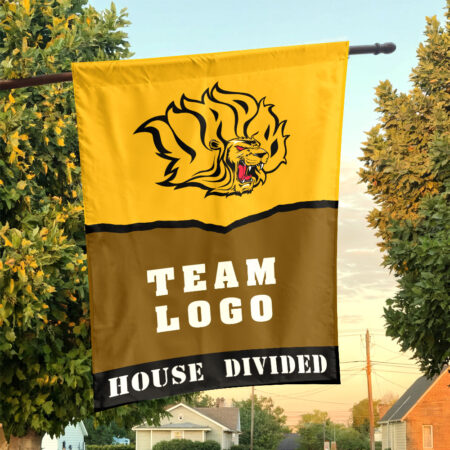
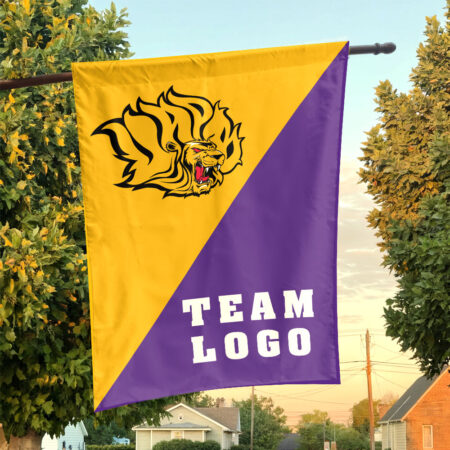
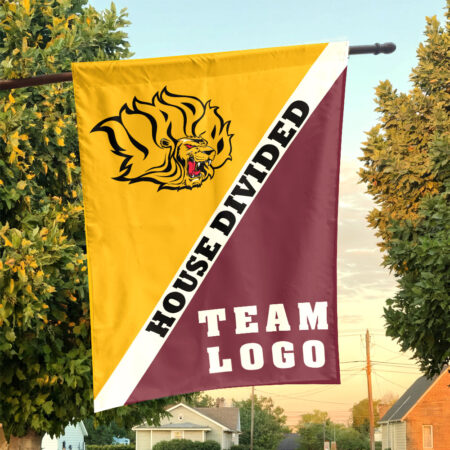
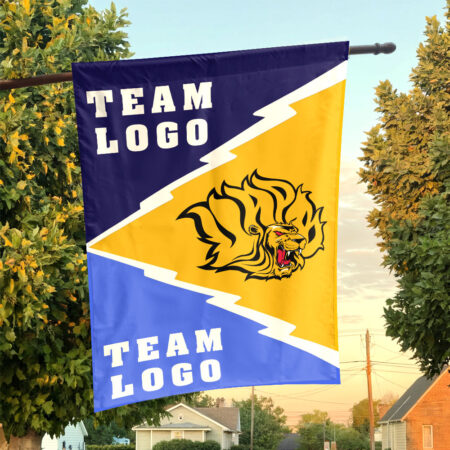
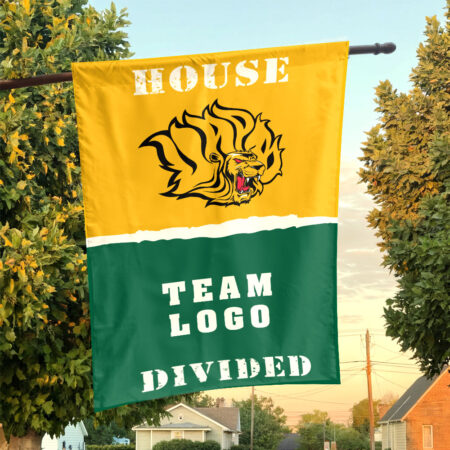
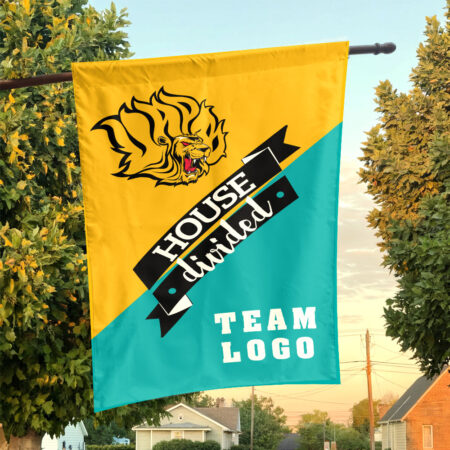
Fly Proud Custom Arkansas Pine Bluff Golden Lions Flags
Custom Arkansas Pine Bluff Golden Lions flags should look bold from the street and stay crisp after real use—not fade, fray, or read backwards. In this FlagOh guide, you’ll get simple, spec-based tips for personalization, single vs double-sided clarity, and setup basics that help your flag last. How we judge real-world flag performance: we focus on distance readability, attachment-point stress, and how the fabric handles sun and moisture over time.
Personalize And House Divided Flags
Personalization is where most designs go off the rails. The fix is simple: design for distance first, then add details that survive fabric texture, wind movement, and outdoor light.
Easy Personalization Ideas
Keep personalization simple so the design stays clean: a short family name, a graduation year, or a jersey-style number is usually enough. If you add a phrase, make it brief. Fabric can soften tiny details, so bold, high-contrast lettering tends to stay clearer.
Simple Layouts For Name And Year
Pick one predictable placement and keep the main design in charge. A bottom line works for most setups, while a two-line center stack keeps things balanced. For an indoor display, a small corner tag can look subtle and neat. Leave comfortable margins so nothing feels crowded near hems or hardware.
House Divided Team Pairing Ideas
Below are clean, household-friendly matchups written in a consistent “vs” style. Each one includes a quick note on how the split flag typically looks best, so the design stays readable and balanced:
- UAPB vs Arkansas Razorbacks flag: A classic Arkansas household split. A left/right design with large logos works well, and a thin neutral divider stripe helps separate strong color blocks so the center doesn’t feel busy.
- UAPB vs Arkansas State Red Wolves flag: This pairing looks best when it stays bold and minimal. Keep each side logo-forward, limit extra text, and let contrast do the work for quick recognition at a glance.
- UAPB vs UCA Bears flag: A balanced layout fits this matchup nicely. Use generous spacing around both marks and keep any personalization small and low so the main split stays clean.
- UAPB vs Little Rock Trojans flag: A tidy half-and-half design suits indoor display. Centered logos with a simple divider stripe keep the look neat for dorm walls, offices, or smaller hanging areas.
The simplest designs usually win: short personalization, one clear placement, and a clean left–right split that stays easy to recognize. Keep text bold enough to read at a glance, leave comfortable margins near hems and hardware, and avoid packing multiple small details into the center where fabric folds can hide them.
Single-Sided Vs Double-Sided Readability
Some builds look crisp from the front but different from the back. Here’s what’s normal—and what to choose for your setup.
| Viewing Setup | Better Fit |
| Mostly front-facing display | Single-sided |
| Walk-around viewing (people circle the pole) | Double-sided |
| Indoor wall display | Single-sided |
Single-Sided Readability
A single-sided flag is designed to look best from the “front” side. Since fabric isn’t fully opaque, light can pass through, and the print can show from the reverse. That’s why text may look backward and fine details can appear softer when viewed from behind—an expected tradeoff of a lighter, one-layer build.
Double-Sided Readability
Double-sided builds read correctly from either side, but they hang heavier and flutter less in light wind. In gusty areas, that extra weight adds stress to brackets and clips, so sturdier hardware matters. Single-sided often works well for photo setups where one side is the main view, while double-sided is easier to read in walk-around spaces like tailgates. Results can vary by fabric weight, print method, and lighting, so the best choice is the one that matches how people will view the flag most often.
For two-team layouts, the NCAA house divided custom flag designs can be a helpful starting point before you pick single- or double-sided.
Display Setup and Care That Extends Lifespan
A flag’s lifespan is mostly decided by friction, UV exposure, and moisture. Setup and care don’t need to be complicated—just consistent.
Porch Bracket And Pole Setup Basics
Aim for clearance and stable hardware. A 30–45° porch mount usually keeps the flag visible while reducing rubbing on walls or railings, which is what wears edges fastest. Keep clips and grommets aligned so they don’t twist, and if your area is windy, use a sturdier mount or a smaller size to reduce strain.
Dorm-Friendly Hanging Without Wall Damage
For dorms, the goal is to support the flag evenly without leaving marks. Hanging from the attachment points is usually cleaner than sticking tape onto fabric edges, since adhesives can tug fibers and leave residue. If you want the flag to sit flatter like wall decor, add more than two support points so the weight is spread out—this reduces sagging and helps prevent deep creases at the top corners.
Washing, Drying, And Storage Routine
Flags typically age poorly when heat and moisture get involved, not because they were cleaned. A simple approach is enough: remove dust first, wash gently when needed, and let it dry fully with airflow. The most important habit is storage—only fold and put it away once it’s completely dry. Even a little trapped moisture can lead to odor or spotting in a closed space, and once that happens, it takes extra work to correct.
A flag lasts longer with simple habits: prevent rubbing, support it evenly, and avoid heat or damp storage—so it stays clean and presentable with less upkeep.
Custom Arkansas Pine Bluff Golden Lions flags come together through three choices: a legible layout, the right single- or double-sided build for your viewing angle, and a setup routine that avoids unnecessary wear. For designs and build options in one place, start with FlagOh.